


Humanoid Robots at Work: From Science Fiction to the Modern Factory
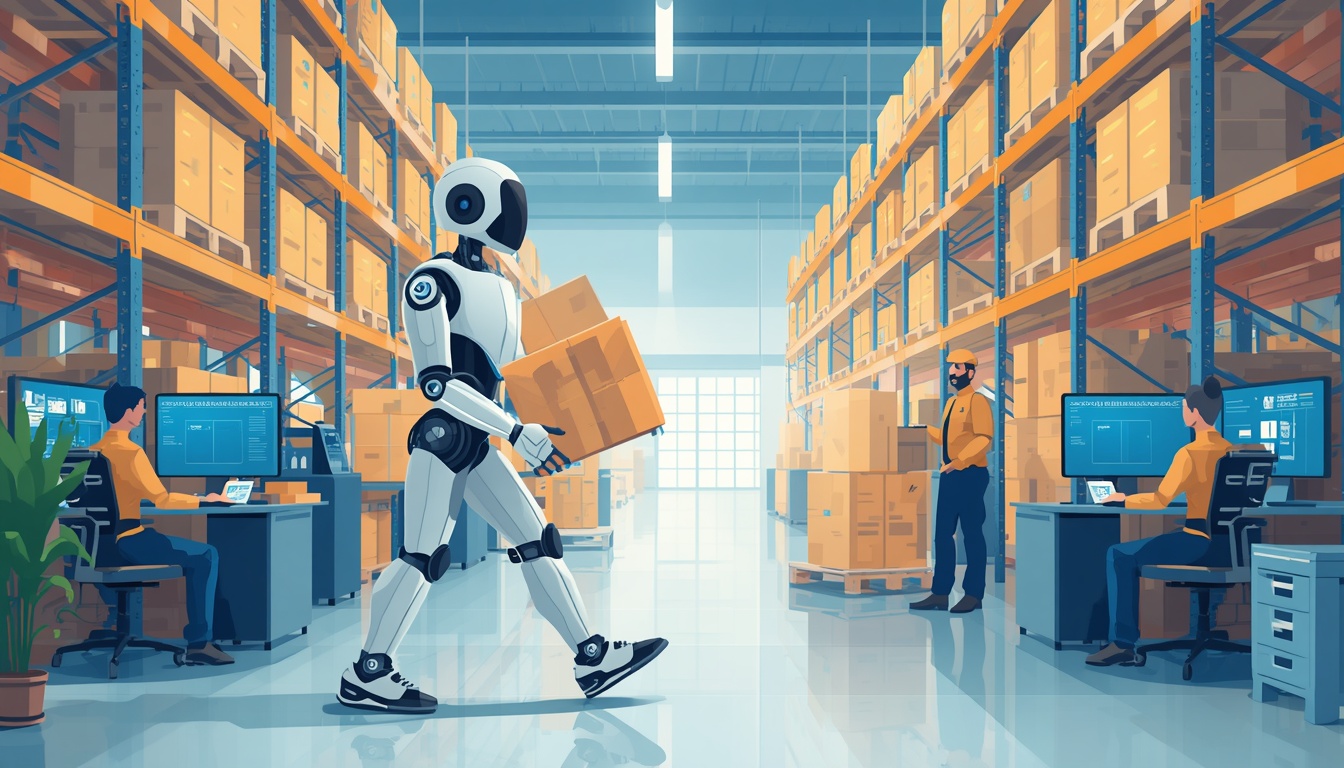
For decades, humanoid robots belonged primarily to science fiction. Today, they are rapidly becoming a practical reality. Advances in artificial intelligence, machine vision, and robotic mobility have brought us to a turning point where human-shaped machines are beginning to perform useful work in real-world environments.
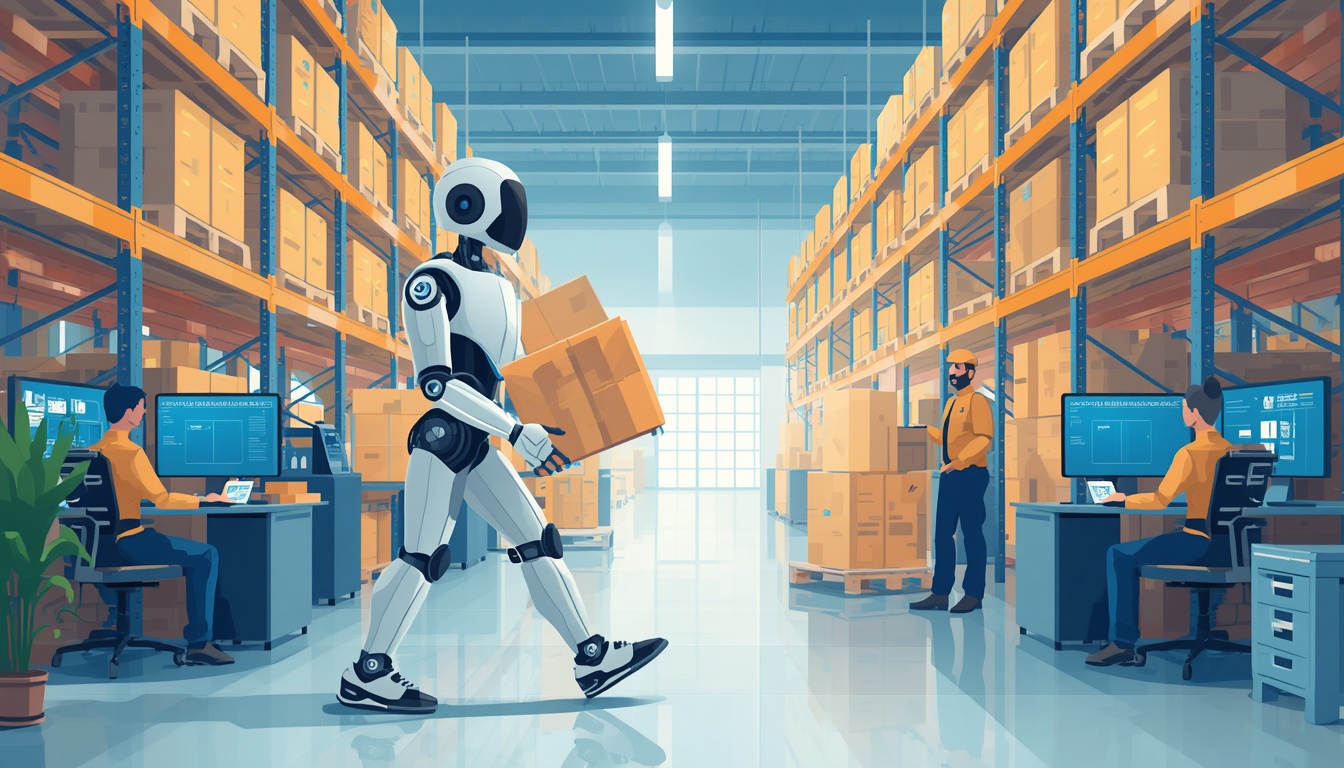
Unlike traditional industrial robots, which are designed for specific repetitive tasks, humanoid robots are built to operate in spaces already designed for humans. They can walk through doorways, climb stairs, carry tools, and interact with equipment without requiring major infrastructure changes.
Why Businesses Are Paying Attention
Manufacturers, logistics companies, and service providers face growing labor shortages and increasing pressure to improve productivity. Humanoid robots offer a potential solution by taking on physically demanding, repetitive, or hazardous tasks.
Modern robots combine cameras, sensors, and AI models to understand their surroundings. Instead of following rigid instructions, they can adapt to changing environments, recognize objects, and make basic decisions. This flexibility makes them attractive for warehouses, factories, and inspection operations.
The Technology Behind the Transformation
Three major innovations are driving progress:
- Advanced AI Models – enabling robots to learn and adapt.
- Improved Sensors – helping robots understand their surroundings.
- More Efficient Hardware – providing better balance, mobility, and dexterity.
Together, these technologies allow robots to perform increasingly complex tasks that were once considered impossible for machines.
Challenges That Remain
Despite impressive progress, humanoid robots are not yet ready to replace human workers on a large scale. Cost remains high, reliability needs improvement, and safety standards continue to evolve.
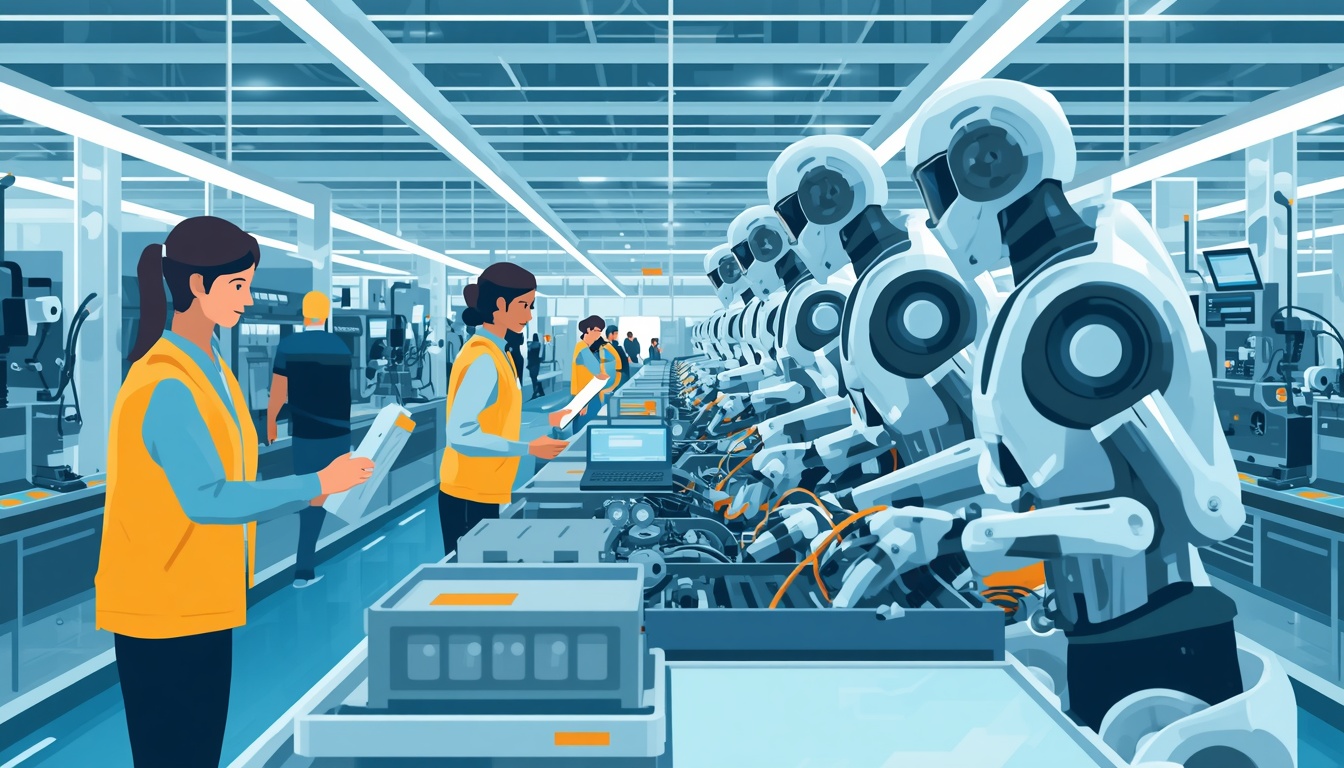
Organizations must also determine where robots deliver genuine value rather than adopting them simply because they are innovative. The most successful deployments are likely to involve human-robot collaboration rather than full automation.
Looking Ahead
Over the next five years, humanoid robots will likely move from pilot projects to broader commercial deployment. While the technology is still developing, one thing is becoming clear: the future workplace will not be fully human or fully automated—it will be a partnership between people and intelligent machines.
Comments
No comments yet. Be the first to comment.
You need to login to write a comment.
Login to comment