


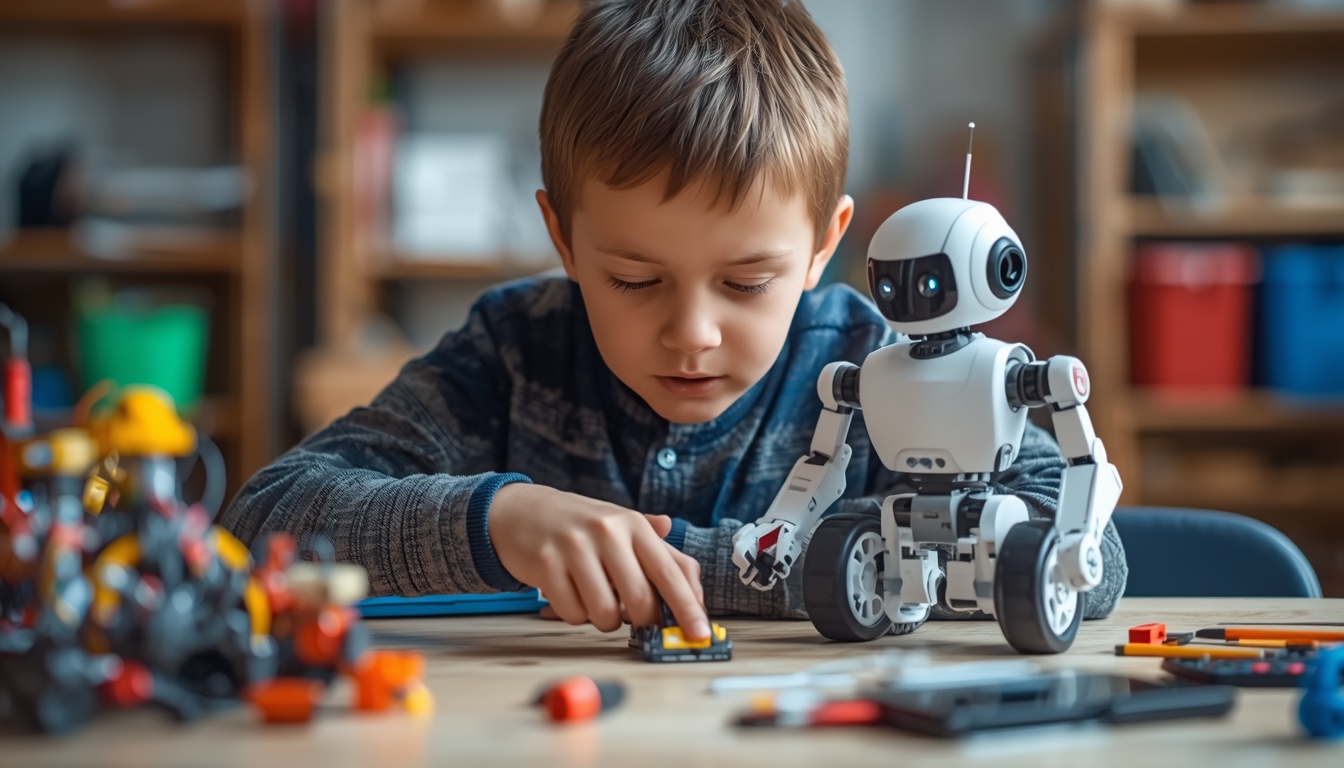
Robotics for Children: Building the Innovators of Tomorrow
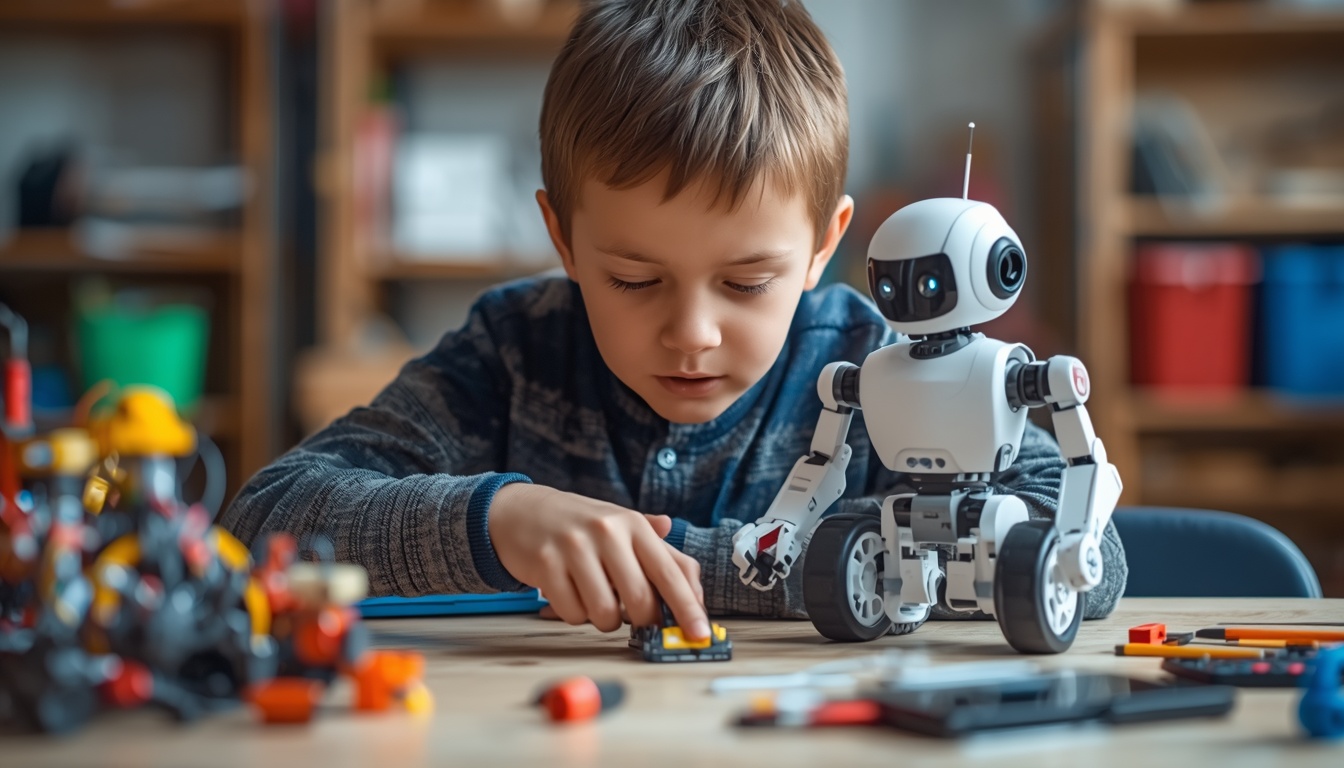
Robotics is no longer a technology reserved for engineers and scientists. Today, it has become one of the most effective ways to introduce children to science, technology, engineering, and mathematics (STEM). By learning robotics at an early age, children develop problem-solving skills, creativity, teamwork, and confidence—abilities that will be valuable throughout their lives.
Teaching robotics to children should begin with curiosity rather than complexity. Young learners are naturally fascinated by machines that can move, respond, and perform tasks. Educators can use simple robotic kits to help children understand basic concepts such as sensors, motors, and programming logic. Hands-on activities allow students to see immediate results from their efforts, making learning both engaging and rewarding.
One effective approach is project-based learning. Instead of focusing solely on technical theory, teachers can encourage students to build robots that solve real-world problems. For example, children might design a robot that sorts recyclable materials or follows a path through a maze. Such projects help students connect technology with practical applications while strengthening their critical-thinking abilities.
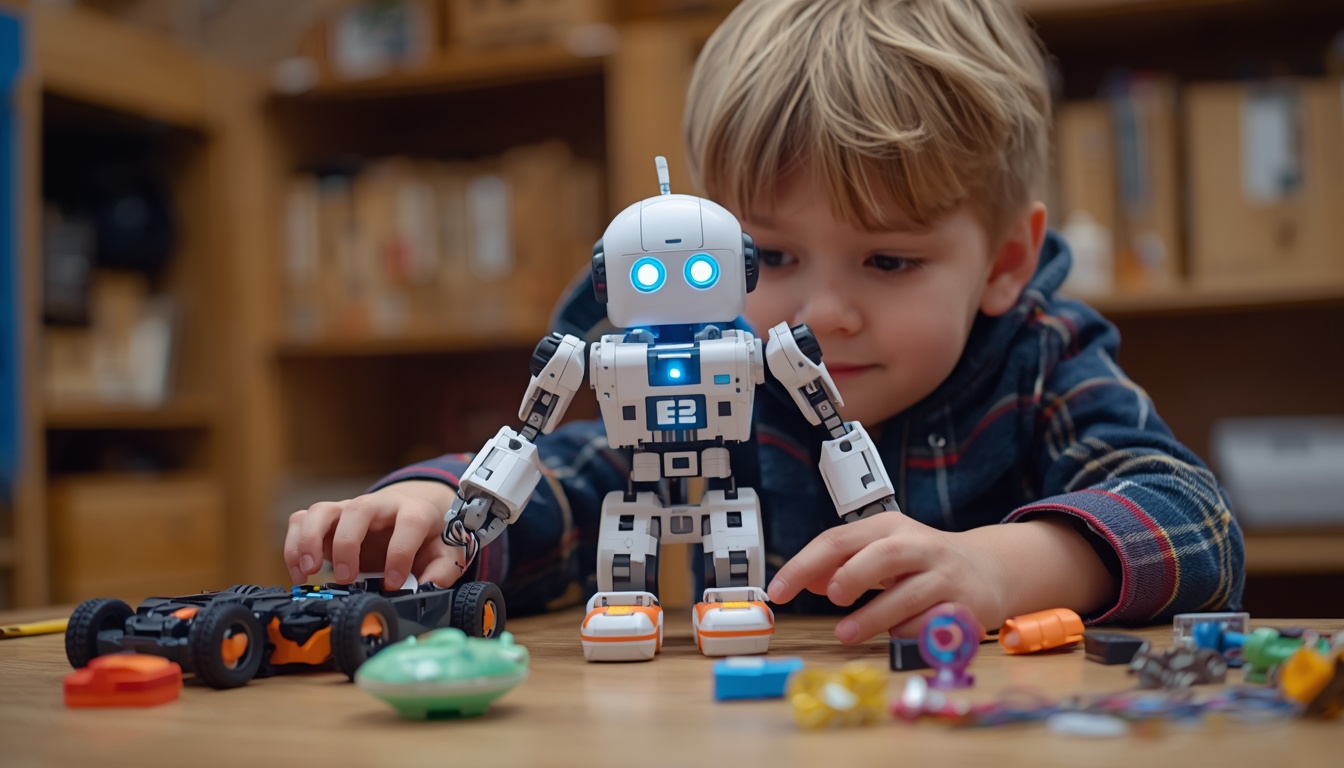
Equally important is creating an environment where experimentation is encouraged. Robotics naturally involves trial and error. When a robot does not work as expected, children learn to identify problems, test solutions, and improve their designs. This process teaches resilience and develops a growth mindset—an understanding that mistakes are opportunities to learn.
Modern educational platforms such as programmable robots and beginner-friendly coding tools have made robotics more accessible than ever. Schools, community centers, and parents can all play a role in providing these opportunities. Even simple activities that combine building and coding can spark a lifelong interest in technology.
As automation and artificial intelligence continue to transform industries, robotics education will become increasingly important. By teaching robotics to children today, we are not simply helping them build machines—we are helping them build the skills, confidence, and creativity needed to shape the future.
Comments
No comments yet. Be the first to comment.
You need to login to write a comment.
Login to comment