


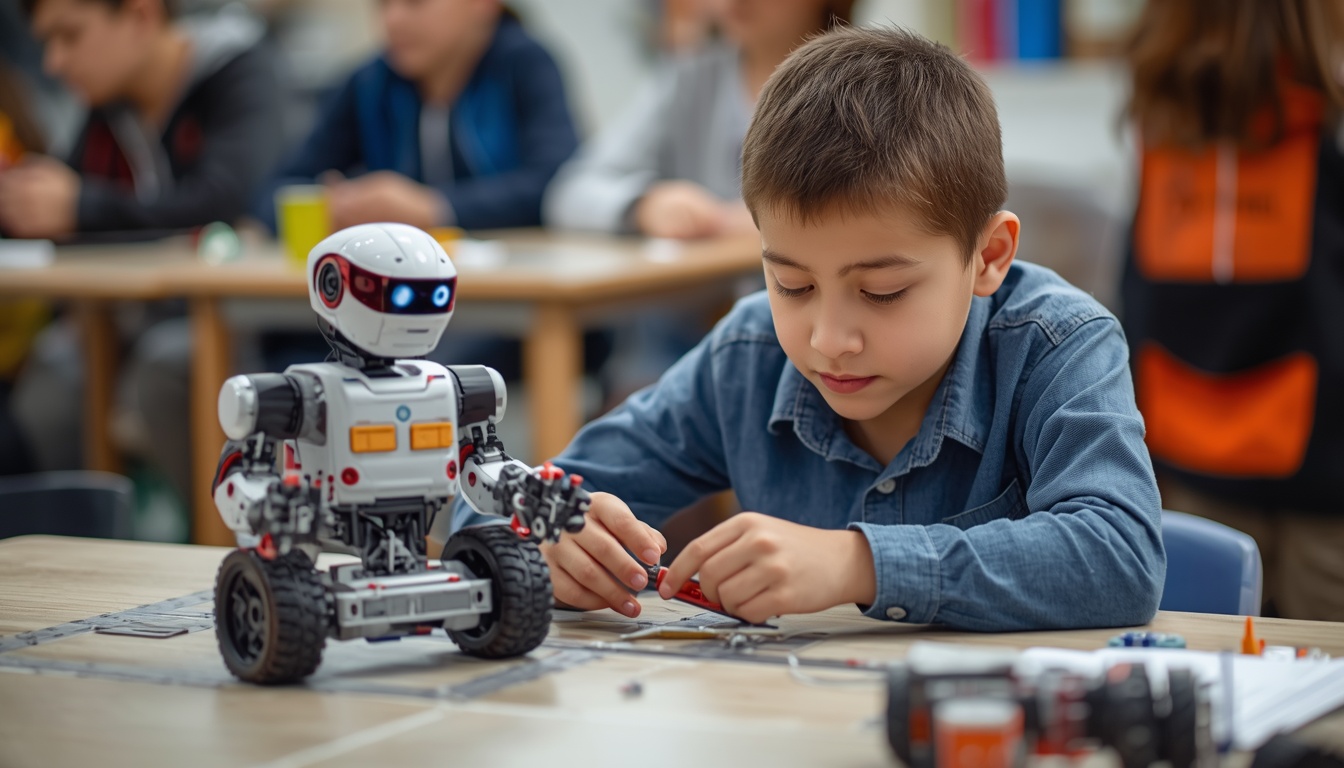
How Learning Robotics Helps Children Develop Strong Cognitive Skills
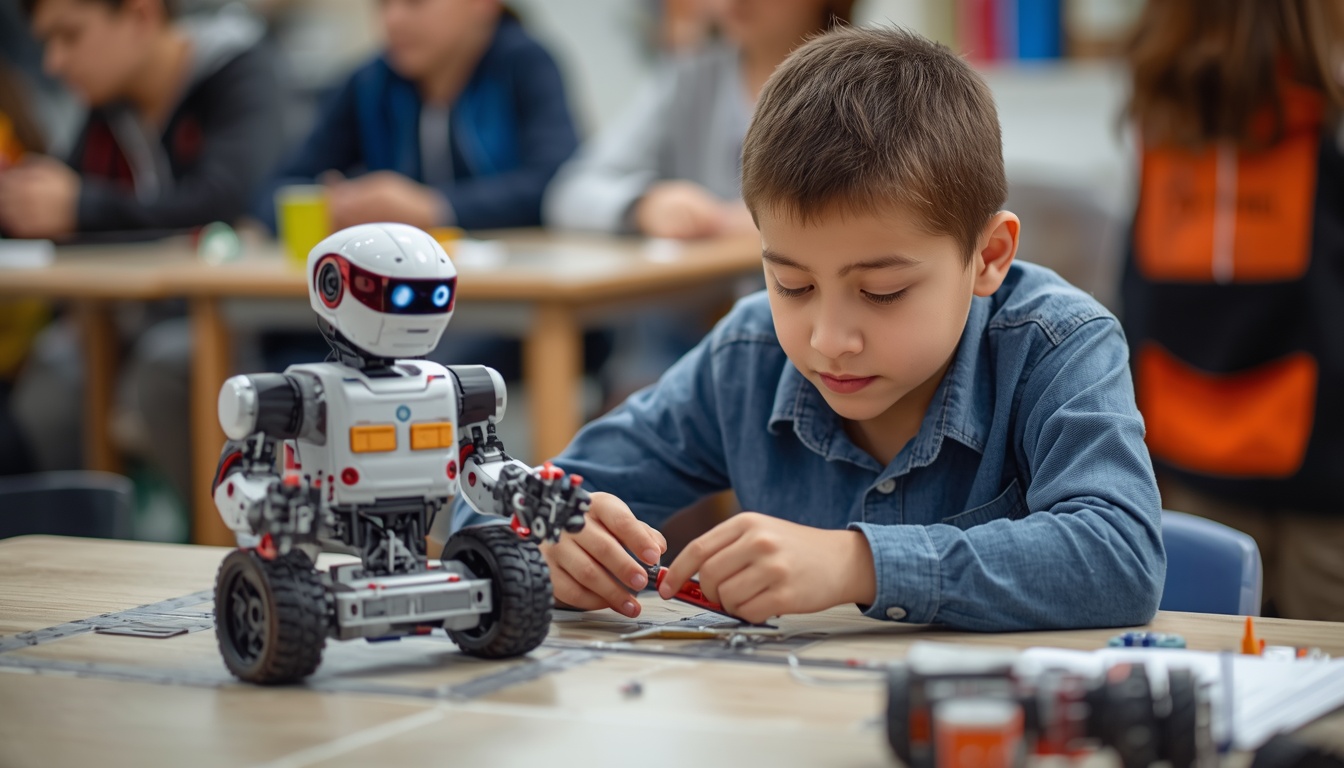
In today's technology-driven world, robotics is becoming an increasingly valuable educational tool. Beyond teaching children how machines work, robotics helps develop essential cognitive skills that support academic success and lifelong learning. As schools and parents look for innovative ways to prepare children for the future, robotics stands out as a powerful combination of creativity, problem-solving, and critical thinking.
One of the most significant cognitive benefits of robotics is the development of problem-solving skills. When children build and program robots, they must identify challenges, analyze possible solutions, and test their ideas. If a robot fails to perform a task correctly, students are encouraged to investigate the cause and make improvements. This process strengthens logical reasoning and teaches children how to approach problems systematically.
Robotics also enhances critical thinking. Children learn to evaluate information, make decisions, and predict outcomes based on their programming choices. For example, when designing a robot to navigate an obstacle course, students must consider speed, direction, sensor placement, and environmental factors. Such activities encourage deeper thinking and improve decision-making abilities.
Another important advantage is the improvement of memory and concentration. Building a robot requires children to follow instructions, remember programming sequences, and focus on multiple steps at once. These activities strengthen working memory and attention span, skills that are crucial for success in all academic subjects.
Furthermore, robotics promotes creativity and innovation. Children are given the freedom to design unique solutions and experiment with different ideas. They learn that there is often more than one way to solve a problem, which encourages flexible thinking and intellectual curiosity.
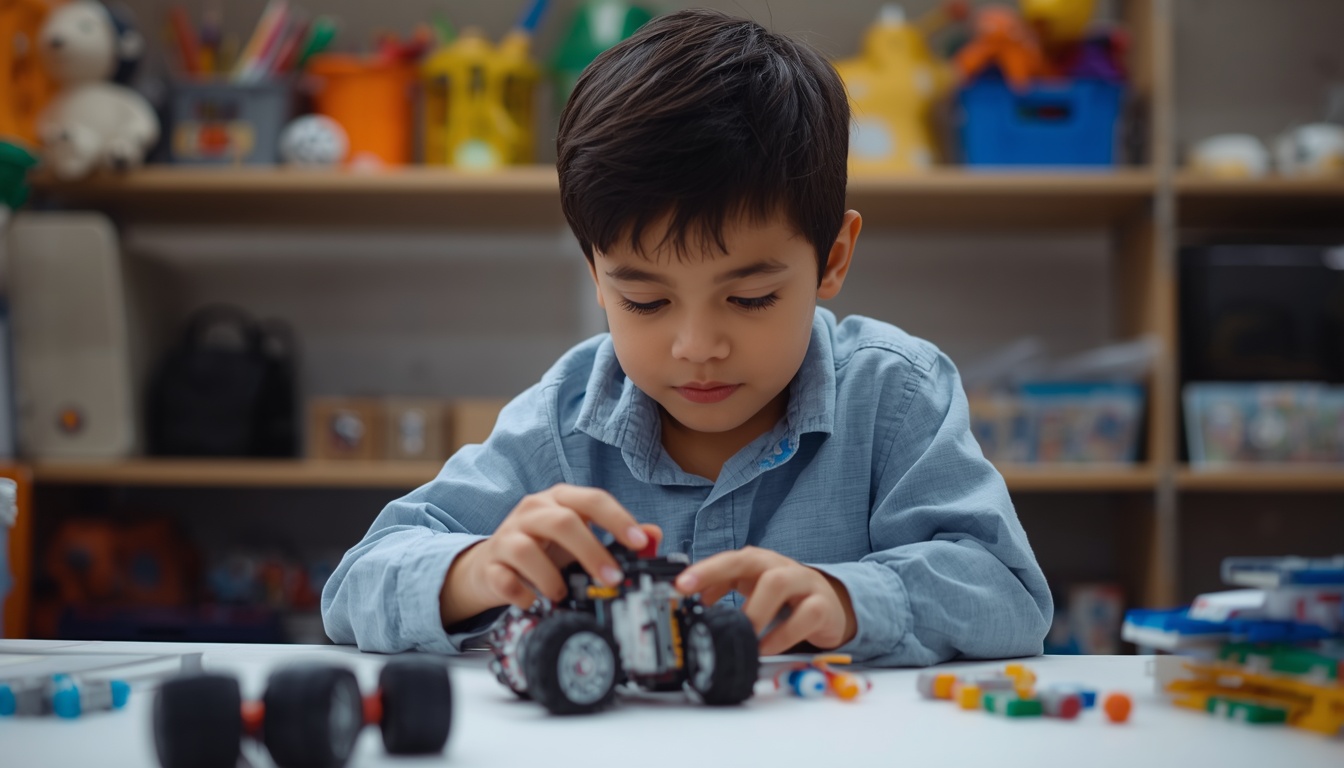
Collaboration is another key element of robotics education. Many robotics projects require teamwork, allowing children to communicate ideas, share responsibilities, and learn from one another. These experiences support both cognitive and social development.
As technology continues to shape the future, robotics offers far more than technical knowledge. It provides children with opportunities to develop critical cognitive skills, including reasoning, concentration, creativity, and problem-solving. By introducing robotics at an early age, educators and parents can help children become confident, adaptable learners who are prepared for the challenges of tomorrow.
Comments
No comments yet. Be the first to comment.
You need to login to write a comment.
Login to comment