



Why Talking, Playing, and Improving Are the Keys to Children’s Success in English
Blog
Why Talking, Playing, and Improving Are the Keys to Children’s Success in English
-
 toccoedu com
- Apr 12, 2026
- 3 views
When parents think about learning English, they often imagine textbooks, long vocabulary lists, and quiet classrooms. But children learn differently from adults. For young learners, real progress happens when lessons are active, engaging, and full of communication.
Why Talking, Playing, and Improving Are the Keys to Children’s Success in English
When parents think about learning English, they often imagine textbooks, long vocabulary lists, and quiet classrooms. But children learn differently from adults. For young learners, real progress happens when lessons are active, engaging, and full of communication.
At Tocco Education, we believe that talking, playing, and improving form the foundation of successful language development. When these three elements work together, children gain confidence, enjoy learning, and build skills that stay with them for life.
Let’s explore why this approach is so powerful.
Children Learn Best When They Speak
Language is meant for communication. The more a child speaks, the faster the language becomes natural.
Many students understand grammar rules but hesitate to talk. They are afraid of making mistakes or feel shy in front of others. This is completely normal. However, without speaking practice, improvement is slow.
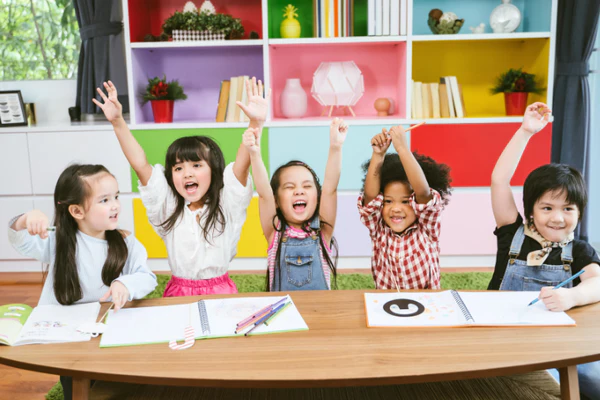
That is why in our classrooms children are encouraged to participate from the very first lesson. They answer questions, describe pictures, role-play everyday situations, and interact with classmates. Step by step, fear disappears and confidence grows.
When speaking becomes a habit, fluency follows.
Play is serious learning
To adults, games may look like entertainment. In reality, they are one of the strongest educational tools. Through games, children repeat vocabulary many times without feeling bored. They listen carefully, react quickly, and stay emotionally involved. Memory works better when learning is connected to positive feelings. A simple team activity can practice pronunciation. A guessing game can develop thinking skills. A role-play can turn new grammar into real communication. While children believe they are just having fun, their brains are working intensively. At Tocco Education, we design lessons where movement, creativity, and interaction keep students active. An active child is a learning child.
Improvement Builds Motivation
Nothing inspires a child more than seeing progress. When students notice they can understand more, speak longer sentences, or use new words correctly, they become proud of themselves. This pride creates motivation, and motivation leads to even better results. Our teachers make improvement visible. We track development, celebrate achievements, and show learners how far they have come. Parents also see the difference — clearer pronunciation, richer vocabulary, and greater confidence.
If children are worried about mistakes or feel pressure, they close up. But when teachers are patient, encouraging, and friendly, students are ready to try again and again. At Tocco Education, we create a warm atmosphere where every child feels valued. Mistakes are treated as part of learning, not failure. This helps students relax and become active participants. Confidence grows when children know they are supported.
Preparing for the Future Starts Today
English is more than a school subject. It opens doors to international education, global friendships, and future careers.
By learning to speak naturally, think in English, and communicate freely, children develop skills that will help them throughout their academic journey.
Strong foundations built early make advanced learning much easier later.
The Tocco Education Approach
Our philosophy is simple:
• children must talk
• children must play
• children must feel improvement
When lessons are dynamic and enjoyable, learning happens faster and more effectively.
We are proud to see our students enter the classroom with excitement and leave with new knowledge, new words, and bigger smiles.
Because when children love learning, success follows naturally.
Comments
Comments feature will be added later.